
If you’ve visited a thousand and one castles and cathedrals like the #AdventurePartnerForLife and me, you might be thinking that this is just. another. castle. I have a secret for you, though—it’s not. Welcome to Bran Castle, better known to the world as Dracula’s Castle, and one-time home of the infamous Vlad the Impaler. You know how I love a solid, creepy-ass, macabre story; I’m super excited just thinking about it! Put your big girl panties on for this one, kiddos.
Nestled between quaint medieval villages in the picturesque Romanian Carpathians, you’d think the castle residents hosted high tea and exchanged pleasantries with high-brow visitors—and they actually did to some extent (boring)—but this is Transylvania. And we’ve all heard a dark tale or two about Transylvania, one of Romania’s best-known destinations. Here’s the real scoop…
NOTE: THIS POST HAS BEEN SPONSORED AND/OR CONTAINS AFFILIATE LINKS THROUGH WHICH I EARN A COMMISSION AT NO ADDITIONAL COST TO YOU. SUPPORT A WOMAN-OWNED SMALL BUSINESS (LIKE MINE!) TODAY. (P.S. ALL VIEWS EXPRESSED ARE MY OWN. OF COURSE.)
PLANNING A TRIP TO ROMANIA SOON?
Below are some of the best tours, hotels, and more to kickstart your plans!
Popular Tours & Activities in Romania:
Top Places to Stay in Romania:
- Luxury: Kronwell Brasov Hotel
- Mid-Range: Hotel Aurelius Imparatul Romanilor
- Budget: Casa Cranta Hotel
You Might Also Like These Global Debauchery Posts:
Where is Bran Castle?
Located in a beautiful mountain town also named Bran, Bran Castle is a little over 100 miles northwest of Bucharest, the capital of Romania. While that may sound a bit far for a day trip, it’s not entirely undoable – especially if you do a guided tour that hits a few different spots along the way.
On the other hand, Brasov is much closer to Bran Castle – only about 18 miles away – and a cute little spot for an overnight stay. While you’re there, you can visit the Black Church, which was named after the 17th-century fire that scorched its walls. Or hike to the Brasov sign atop Tampa Mountain – Brasov’s version of California’s Hollywood sign.
How to Get to Bran Castle
From Bucharest: Honestly, your best bet is to book a guided tour from Bucharest that includes a stop at Bran Castle, among other stops. Otherwise, the train-taxi combo trip would take anywhere from 2 to 4 hours. Public transportation in Romania is also not the most reliable, so keep that in mind!
From Brasov: Conversely, you could take one of the guided tours from Brasov, like the one I took. If that’s not your style, take bus 5 or 22 to Bus Terminal 2 (known locally as Autogara Bartolomeu) – you can catch a bus to Bran Castle from there. The buses are usually labeled with Bran or Castelul Bran (Bran Castle). The ride will be about an hour long, and the bus typically drops you off right near the castle entrance. Use Rome2Rio to check bus schedules.
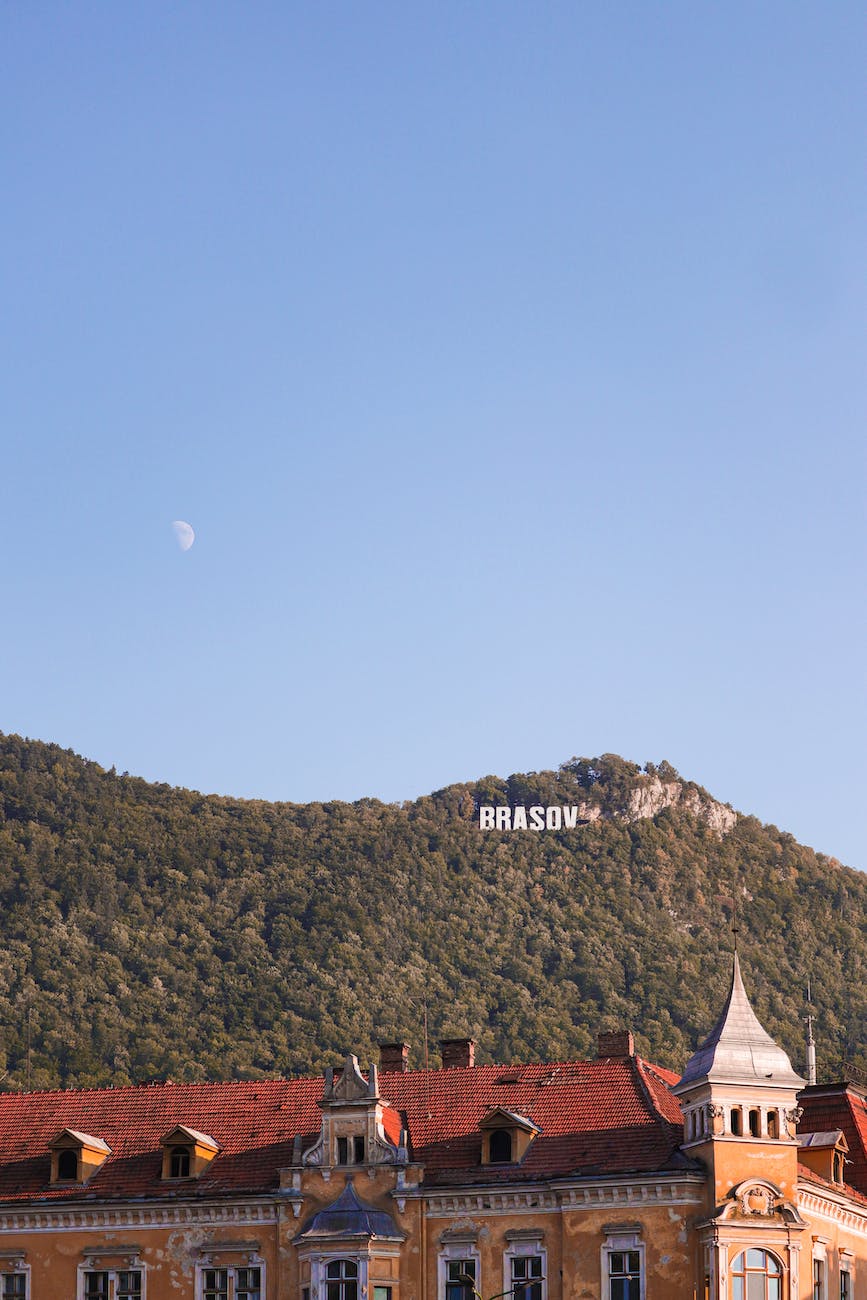
PHOTO CREDIT: Ana-Maria Antonenco on Pexels.com
The History of Bran Castle – The Myth, Legend & Lore
Bran Castle served various purposes throughout its history, including a fortress, customs house, and royal residence. And, of course, it’s best known for its association with Vlad the Impaler in the 15th century and with Queen Marie of Romania in the early 20th century.
Castle Construction
The Teutonic Knights actually first built a fortification in this spot with wood in the 1200s, only to see it destroyed by the Mongols soon after. (You remember them, right? The Teutonic Knights?)
Afterward, Hungarian King Louis I of Anjou had that place rebuilt as a fortress in the late 1300s by the people of Brasov and Saxons in the region. Next, they used it as a defense post against the expansion of the Ottoman Empire and as a customs house, keeping a percentage of goods passing through.
Vlad The Impaler
Vlad Tepes, also known as Vlad III or Vlad Dracula – a nickname he gained from his father, Vlad Dracul, or Vlad the Dragon. While you might think there’s some cool legend behind that title, it’s actually because they were both members of the Order of the Dragon. Some also called him Vlad the Impaler, which was perhaps his most notable nickname. I’m sure you’ve heard of this guy, and yes, my friends, the history books have determined that the nickname is indeed well-deserved.
Ol’ Vlad massacred tens of thousands of opponents and had a good many of them, literally, impaled.
In case anyone doesn’t know, impalement is a form of torture where a stake is driven through the human torso.
His bloodthirst knew no bounds, either; he impaled men, women, children, whoever. Sometimes, he had them burned alive. Notably, Laonikos Chalkokondyles’ The Histories provides this gruesome description of the Ottoman massacre:
The sultan’s army entered into the area of the impalements, which was seventeen stades long and seven stades wide. There were large stakes there on which, as it was said, about twenty thousand men, women, and children had been spitted… There were infants too affixed to their mothers on the stakes, and birds had made their nests in their entrails.
Bram Stoker’s Dracula
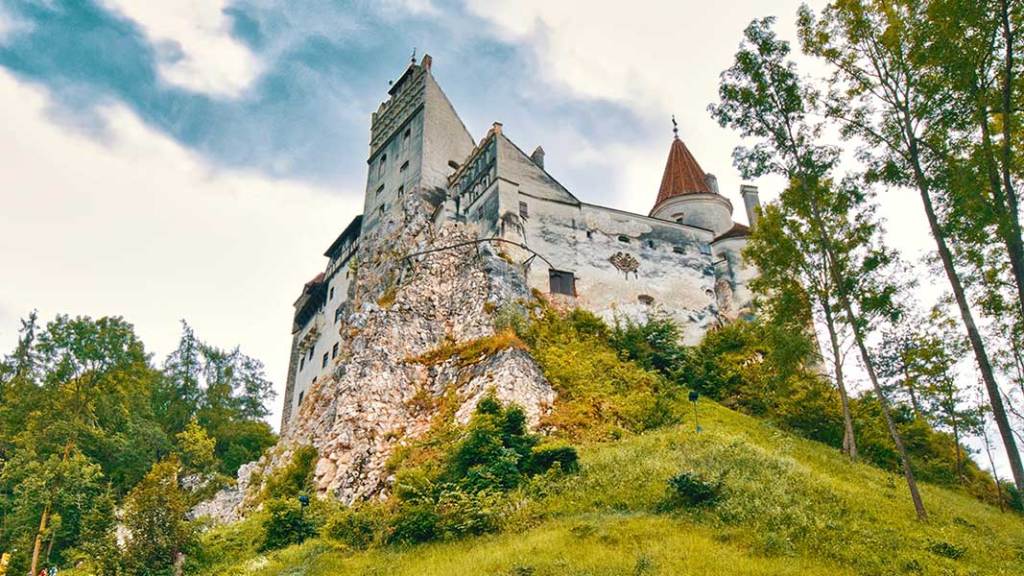
He was a pretty nasty son-of-a-bitch. It’s thought that Vlad the Impaler is Bram Stoker’s reference for Dracula and that Bran Castle is the Transylvanian castle depicted in the book, though this has never been 100% verified. Consequently, though, the author never visited Romania, so…
The castle is, however, the only castle in the region that matches Stoker’s terrifying vampire tale.
What’s even more interesting is that, to this day, some area residents still believe in the undead, or “strigoi,” which was the basis for Bram Stoker’s famous novel. In a widely publicized Romanian case in 2003, police locked up six men for digging up a corpse and removing (and then burning) his heart. Why, you ask? Because they thought he was undead.
Saint Andrew’s Day
More widely believed (even celebrated?) is the lore of Saint Andrew’s Day – the 30th of November and the first day of Romanian winter. Legend has it that on the eve of the holiday, night walkers rise and disturb the living.
Beware of talking wolves, for people say, if you hear one, you will soon die! And, yes, eat lots of garlic; it’ll protect you from unwanted attacks.
Mostly, though, Saint Andrew’s is a day of traditions for young women to meet their future husbands. That’s much less interesting, though.
A Queen Takes the Castle
So, after all of this myth, legend, and lore, what’s the real deal with Bran Castle?
The truth is that while Vlad the Impaler previously passed through Bran, he didn’t actually spend much time at the castle. Maybe two months. Ever.
Skipping ahead a few centuries (and a few different reigns), it is Queen Marie of Romania who is responsible for restoring and decorating the home the way it is now. It’s actually quite inviting, too, minus the torture chamber, equipped with a spiked chair and an iron maiden. (Because no castle would be complete without one!)
Once the castle was gifted to her (after World War I when Transylvania became a part of Romania), Queen Marie set out to turn Bran Castle into a royal summer residence. She updated it with hydroelectric power and an English Park with two ponds and a tea house. Plus, a guesthouse, a wooden church, staff housing, stables, and a garage. All that doesn’t really bring to mind the carnage that Vlad does, now does it?
Bran Castle Today
After the Queen died in 1938, Princess Ileana, her youngest daughter, inherited the castle. Today, ownership of the castle lies with Princess Ileana’s heirs after decades of seizure by the Romanian government, which started with the communist regime in the 1940s.
Since 2009, Princess Ileana’s children have run the castle as the country’s first privately-owned museum. To learn more, visit the official website of Bran Castle.
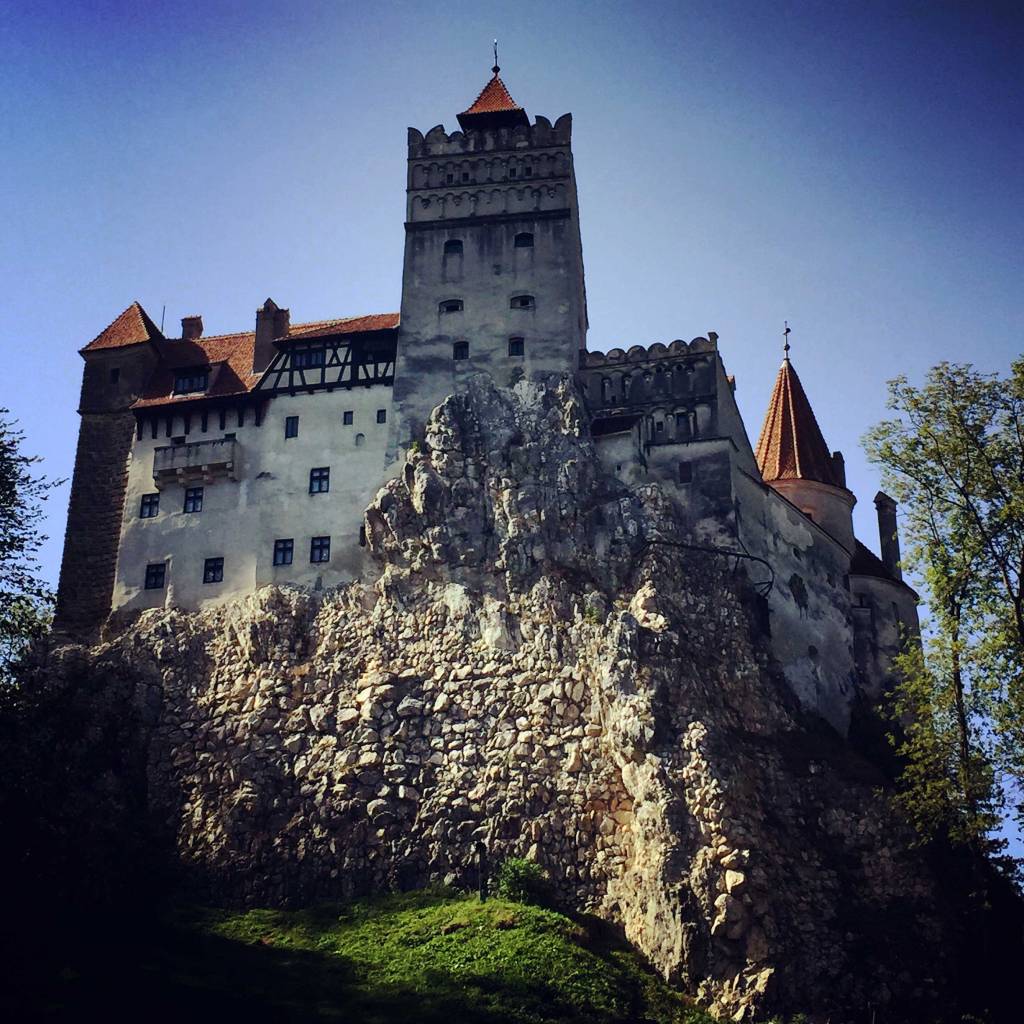
To Recap… Add Bran Castle to Your Romania Travel Plans
The medieval villages of the Carpathian Mountains are a truly special treat, steeped with mystery and a particularly intricate past. If you ever make the trek to Eastern Europe, be sure to make a stop in this region of Romania! It’s a visit you won’t soon forget.
PIN THIS FOR LATER…