
If you know anything about Taiwanese drinks, the first thing that’ll probably come to mind is bubble milk tea. No surprise – that is the country where it comes from, after all. In fact, it’s probably one of the most popular Asian drinks in the world if all those TikToks on making your own bubble teas are anything to go by. But just because Taiwan’s teas are famous, that doesn’t mean its alcoholic drinks are anything to turn your nose up at.
I enjoyed many things on my trip to Taiwan, but one highlight I haven’t talked about yet is the local drinking culture. As something of a spirits connoisseur, this is clearly a huge oversight on my part. I expect to be struck down by lightning any day now. Before that happens, I’ll fix that mistake by introducing six local drinks from Taiwan you don’t want to miss.
NOTE: THIS POST HAS BEEN SPONSORED AND/OR CONTAINS AFFILIATE LINKS THROUGH WHICH I EARN A COMMISSION AT NO ADDITIONAL COST TO YOU. SUPPORT A WOMAN-OWNED SMALL BUSINESS (LIKE MINE!) TODAY. (P.S. ALL VIEWS EXPRESSED ARE MY OWN. OF COURSE.)
TABLE OF CONTENTS > Click to open
Where to Stay in Taipei
When visiting Taipei, we chose to stay at Leofoo Residences. It was decent. An apart-hotel with okay prices in a good location, a kitchenette, and a washing machine.


PHOTO CREDITS: LEOFOO RESIDENCES VIA HOTELS.COM
Must-Try Asian Drinks to Try When in Taiwan
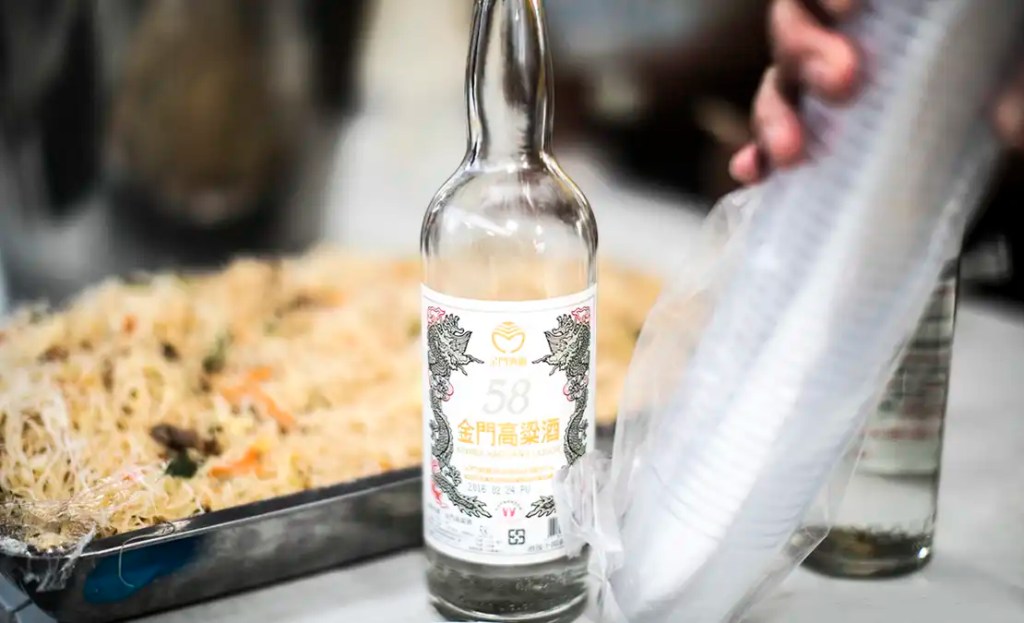
Asian Drinks Don’t Get More “Official” than Taiwan’s Most Famous Liquor, Kaoliang
Kaoliang is both Taiwan’s most famous alcoholic beverage – having won a global award in 2021 – and one of the country’s strongest as well. It has a high alcohol content, usually 58%, packed with flavor and with a kick like tequila. They brew it from a type of grain called sorghum. In case you’ve never heard of Sorghum before (I know I hadn’t), it originated around the Middle East some 8,000 years ago.
Some consider kaoliang to be the “official” alcohol of Taiwan since it’s apparently the beverage of choice for government officials, as well. They give it out as gifts on diplomatic missions and make commemorative batches for newly appointed presidents. I didn’t get to see it myself when I was there, but the internet seems to suggest I’m not missing much.
Despite its semi-official status, it’s not actually produced on Taiwan’s mainland. Instead, they produce it on an island territory called Kinmen. Although kaoliang’s overpowering flavor makes it not so great for cocktails, Kinmen managed to put together a pretty decent one. How? By combining it with Taiwan’s other most popular drink, bubble tea. It’s called “Mao Zedong Bubble Tea,” and hopefully, I can give it a shot next time I’m in Taipei.
Want Something a Little Different? Try Some Whisky with Kavalan
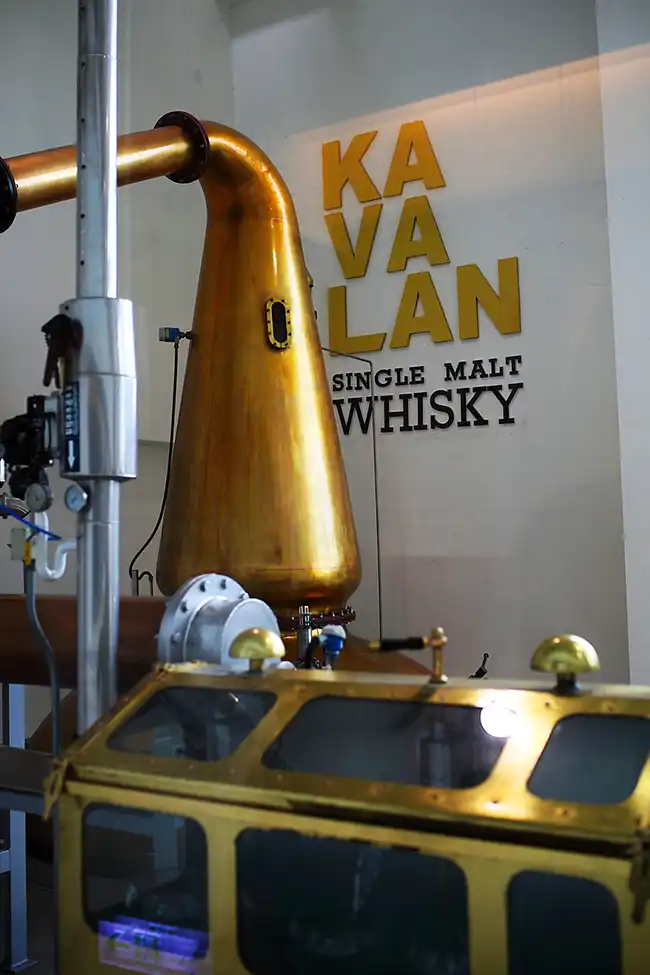
Next up is Kavalan, one of Taiwan’s most popular whisky brands. Fun fact: they took the name from Yilan County’s former name – the county where the distillery is based. It’s also the name of an indigenous people of Taiwan.
I’m not sure how the Kavalan people feel about that (you fail me again, Google), but it’s an amazing whiskey. In 2015, the World Whiskies Awards deemed it the best single malt whisky of the year. Judges commented on its smoothness and fruity scent, saying, “It’s like Bourbon-infused milk chocolate.” It’s won a few other awards since then and is still considered one of the best whiskies in the world. So, if you’re a whisky lover, you definitely don’t want to miss trying a sip.
Kavalan has a lot of different variants, all of which are some kind of single malt whisky: classic, sherry oak, peaty cask, and plenty more. A gin introduced in 2019 marks the only non-single malt in their collection. It uses local Taiwanese herbs, spices, and fruits to give it a nice local flair.
Taiwan’s Take on Shaoxing Rice Wine
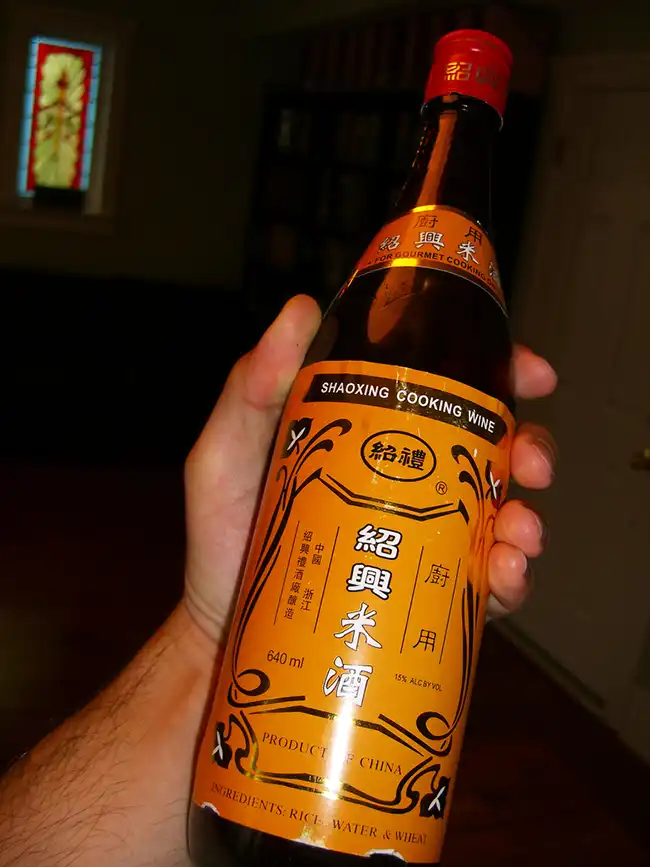
Although Shaoxing is technically a Chinese wine, Taiwan doesn’t slack on producing the stuff. Some even consider Taiwan’s Shaoxing to be the best in the world – but I’m not sure if that’s a general consensus or just the locals’ opinion.
Either way, Taiwanese cuisine makes liberal use of Shaoxing. Taste-wise, you could compare it to dry sherry, but obviously, that won’t have the same impact in a dish. Also, even though it’s referred to as a rice wine, I found out that it has some wheat in it, too. Gluten-free goers, beware!
But that’s just on the cooking front. Many folk drink Shaoxing as is, and I don’t wonder why. It’s low in alcohol, which is good for the Taiwanese people since 47% of the population has trouble metabolizing alcohol. Besides, the rich, caramel-like flavor of this deep yellow, almost orange wine pairs well with almost any meal. For best results, serve it just below room temperature – around 60 degrees Fahrenheit or 15 degrees Celsius.
Asian Drinks Don’t Get More Local than Michiu
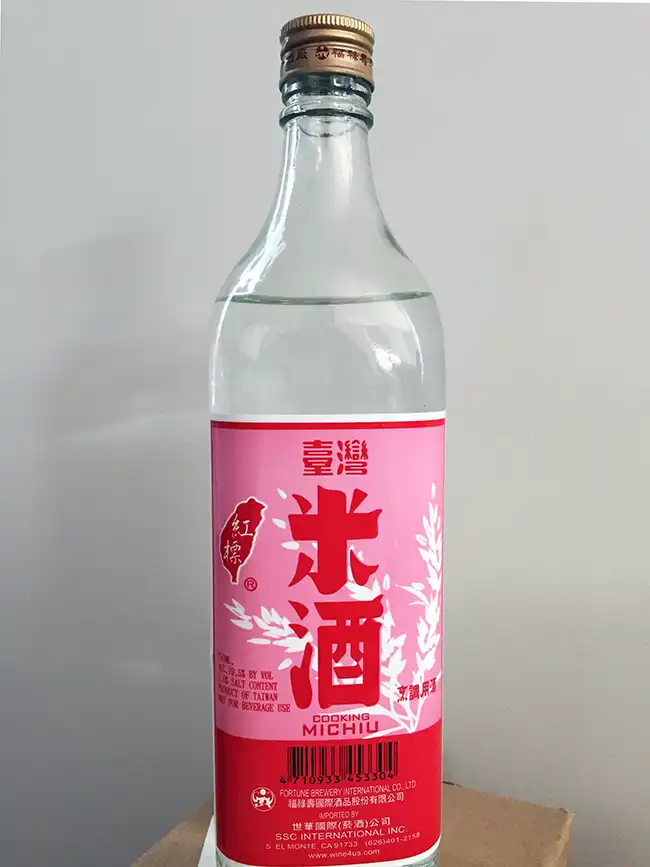
Michiu, the local name for “mijiu” or millet wine, has been part of Taiwan’s indigenous culture for centuries. Although modern brewing techniques make production nowadays much easier, they used to make michiu with pots and sieves. They’d boil it, strain it, and let it ferment for a month. Each indigenous clan has its own millet god and festivals where michiu plays a key part since drinking it is supposed to bring good luck. I can see why – I know I definitely feel better after a warm glass of spirits.
Michiu usually comes as a clear or light yellow liquid and is sweet and sticky. Though not quite as sweet as Shaoxing, it has a relatively low alcohol content and features quite a bit in Taiwanese cooking. This includes desserts, though it doesn’t seem to be a part of Taiwan’s most famous ones, like douhua and sun cakes.
For peak flavor, warm up your michiu before drinking. And if you happen to be in Taiwan during the Harvest Festival, check it out! I haven’t been there myself yet, but it sounds like an amazing experience, and not just for the michiu. This cultural celebration offers gratitude whether that year’s crop was bountiful or not, as elders tell ages-old stories around the fire.
Taiwan Beer
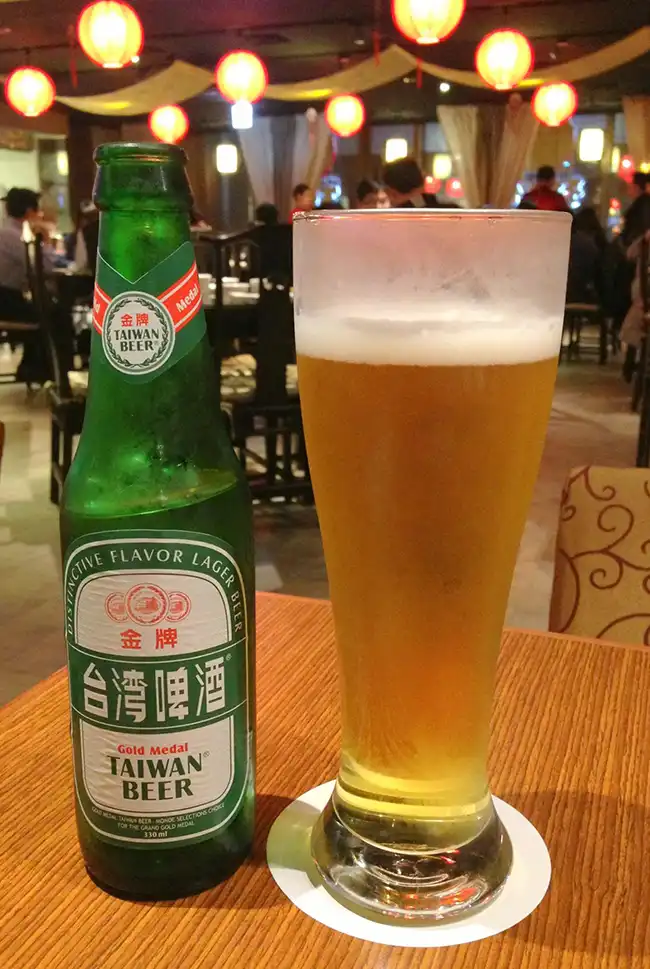
With a name as blunt as a brick to the head, this best-selling beer had something of a chokehold on Taiwan up until 2002. Before then, the company that produced it had a government monopoly on Taiwanese liquor for 80 years. I’m guessing that’s why the craft beer culture in Taiwan feels so new. I wonder if that’s also why alcoholic Asian drinks seem somewhat limited in Taiwan. That may just be my imagination, though. Or due to the aforementioned difficulty many Taiwanese have with alcohol.
That doesn’t take away from Taiwan Beer’s uniqueness, though. Local rice is added to the barley during brewing, giving it a unique, fragrant taste. In more recent years, they’ve also made quite a few different variations on the original. It now comes in mango, pineapple, and other fruity flavors. Neat!
Bonus Non-Alcoholic Asian Drinks That Quench Your Thirst
In between your cocktails, or perhaps while taking a break from one too many, indulge in some of these popular non-alcoholic Asian drinks.
Bubble Tea: Taiwan’s iconic beverage features sweetened tea served with chewy tapioca pearls, offering a delightful combination of flavors and textures.
Jelly Drink: Delight in the fun and colorful Jelly Drink featuring fruity or milky flavors combined with soft, chewy jelly bits. It’s a refreshing beverage option that, much like bubble tea, you can play with and chew.
Green Tea: Savor the traditional taste of green tea, served hot or iced, known for its refreshing and earthy flavor. It’s a popular choice for its health benefits and simplicity.
Iced Tea: Quench your thirst with a classic favorite worldwide. Iced Tea, served chilled and often infused with fruity or floral flavors, provides a refreshing and revitalizing drink on hot days.
Ramune: Drinking Ramune is an experience. A Japanese soda with a distinct marble stopper that creates a fun and fizzy refreshment with various fruity flavors.
Shake Up Some More Asian Beverages with Taiwan’s Local Cocktails
Ever since the Taiwanese government loosened up its monopoly on liquors, craft beers, and cocktails have boomed. There are honestly so many great bars to sort through it’s hard to recommend only one.
If you enjoyed this post, you can check out the rest of my series on Taiwan or my Big Asian Adventure series. There, you can join me as I tour Japan, Hong Kong, South Korea, and more. Next time, I’ll be posting a guide on how to get around Taiwan. Be sure to follow me for future updates!
PIN THIS FOR LATER…